10 Tracing Shape Worksheet for Early Learning Fun
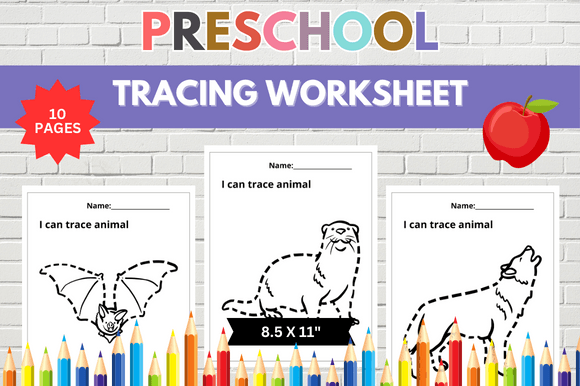
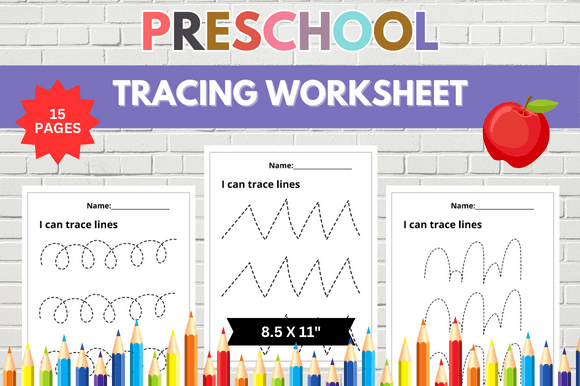
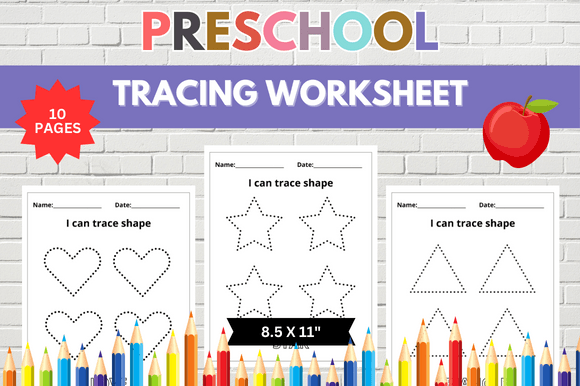
Watching a child’s hand steady as they follow a dotted line is a moment of quiet magic, and the right tools make all the difference. The 10 Tracing Shape Worksheet set is designed to capture that magic, offering a foundational practice for young learners in Pre-K and Kindergarten. This collection of ten printable pages provides a structured yet engaging way to develop the fine motor skills and hand-eye coordination essential for future writing and drawing.
For educators, parents, and content creators focused on early childhood development, these worksheets are more than just a practice sheet. They are a versatile design asset. The clean, simple outlines and dotted guides serve as a perfect template for creating custom educational materials. Imagine pairing these tracing exercises with a charming handwritten font for instructions or a clear sans serif font for titles, creating a cohesive and professional-looking activity book or homework packet.
Creative Uses Beyond the Classroom
The utility of a well-designed tracing worksheet extends into various creative projects. Graphic designers working on brand identity for children’s products, such as educational apps, toy packaging, or bookstore signage, can draw inspiration from the worksheet’s gentle, guiding aesthetic. The dotted-line motif itself can be adapted into a unique logo design element or a playful pattern for social media graphics promoting learning resources.
Consider these practical applications for this educational resource:
- Custom Learning Kits: Use the worksheets as a base to design and sell printable activity packs on platforms like Etsy or Teachers Pay Teachers, pairing them with a friendly script font for a personal touch.
- Merchandise and Decor: The simple shape outlines can inspire wall art, poster designs, or even textile patterns for a child’s room, blending educational themes with modern typography.
- Digital Product Design: Integrate the tracing concept into the UI/UX of a web design for a children’s learning website, using the dotted lines as interactive guides or loading animations.
Tips for Selecting and Using Educational Fonts
When creating materials like the 10 Tracing Shape Worksheet, font choice is critical. The goal is clarity and encouragement. A premium font that mimics a child’s developing handwriting can feel approachable, while a clean serif font might be better for parent instructions. Always test readability at the size it will be used; what looks good on screen may blur when printed. Ensure the font’s license allows for your intended use, whether for a single classroom or for commercial distribution.
The right typeface does more than display words—it sets a tone. For a project centered on foundational learning, a font with a slightly rounded, open style can subconsciously feel safer and more inviting. This attention to detail elevates your project from a simple handout to a polished design asset, building trust with your audience and enhancing the overall learning experience.
Ultimately, resources like these tracing worksheets are about building confidence, one dotted line at a time. Whether you’re a teacher crafting a lesson plan, a parent supporting homework time, or a designer developing a brand identity