15 Tracing Line Worksheet: A Creative Guide for Young Learners
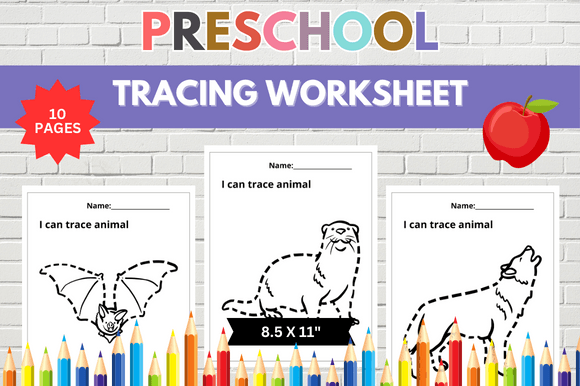
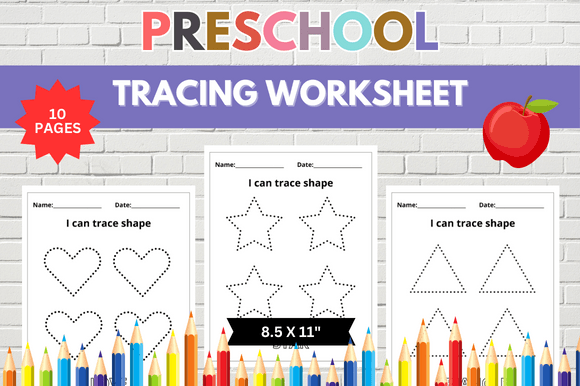
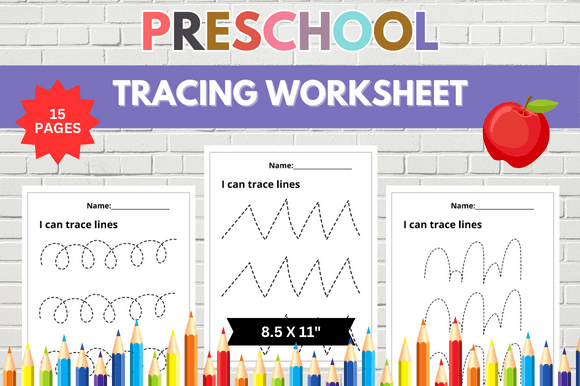
Discovering a font that feels both engaging and educational can transform a simple design into a meaningful learning tool. The 15 Tracing Line Worksheet is a perfect example, offering a curated set of 15 pages designed specifically for Kindergarten and Pre-K aged students to practice foundational writing skills.
This printable PDF resource focuses on the essential skill of line tracing, a cornerstone of early childhood education. Each page presents clear, dotted guidelines that help young learners develop hand-eye coordination, pencil control, and the fine motor skills necessary for future handwriting. The activities are structured to be both fun and effective, turning practice into an enjoyable routine.
Why This Worksheet Stands Out
For educators, parents, and creators of educational materials, the value of a well-designed tracing sheet cannot be overstated. The 15 Tracing Line Worksheet provides a clean, distraction-free layout that prioritizes the child's focus. The illustrations and line work are simple and bold, making them accessible for beginners and easy to reproduce in print. This kind of thoughtful design ensures that the primary goal—skill-building—remains front and center.
Beyond its immediate use in homes and classrooms, this resource can inspire creative projects. Imagine using its straightforward, guided aesthetic as a reference for designing custom activity books, educational apps, or branded materials for a children's learning center. The clean lines and structured approach exemplify how simplicity in design can support complex learning objectives.
Practical Applications for Designers and Educators
If you're creating materials for early learners, consider how assets like this worksheet can streamline your workflow. The consistent format across all 15 pages provides a reliable template for developing additional exercises, from letter formation to shape tracing. This consistency is key to creating a professional and cohesive educational product.
- Educational Branding: Use the clear, instructional style as inspiration for logo design or brand identity for tutoring services or preschools.
- Product Design: Apply the clean, guided line concept to the interior design of workbooks, flashcards, or interactive learning kits.
- Digital Resources: Adapt the tracing exercises for digital platforms, creating printable PDFs or interactive touchscreen activities.
Tips for Selecting and Using Educational Fonts
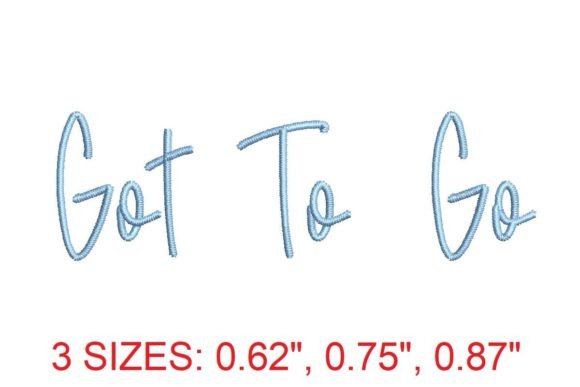
When choosing a typeface for any project related to children's education, prioritize clarity and readability above all else. Fonts with simple letterforms, consistent stroke width, and open counters (the spaces inside letters like 'o' or 'a') are ideal for young eyes. Look for typefaces that include educational features, such as dotted letters for tracing or guidelines showing where letters sit on the baseline.
Always test a font in context. Print a sample page to see how it performs on paper. Does it feel inviting? Is it easy for a child to follow? Consider pairing a primary instructional font with a more playful, yet still legible, font for headings or instructions to add visual interest without sacrificing functionality. Ensure the font license permits your intended use, whether for personal classroom materials or commercial products.
The right typographic choice does more than just convey information; it builds a visual environment that supports learning. A thoughtfully selected font, much like a well-crafted worksheet, can enhance focus, reduce frustration, and make the educational journey feel more engaging and successful for young learners.